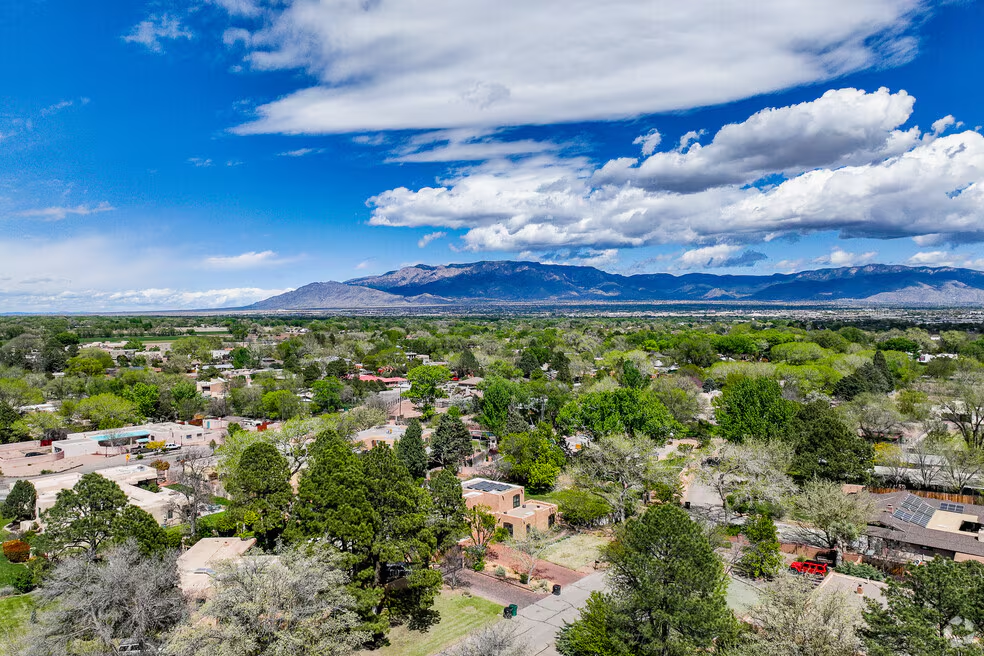
The North Valley is unlike anything else in Albuquerque real estate. Mature cottonwoods, acequia water rights, large lots along the Rio Grande, and a neighborhood character decades in the making all set this part of Albuquerque apart.
Most Albuquerque neighborhoods can be described by what they have. The North Valley is better described by what it is, and that distinction is a major reason buyers who connect with the area often focus their search here.
Tori Domaille at Elite Homes Realty has been helping buyers into North Valley properties since 1996. In that time, the nature of the search has not changed much. Buyers who come looking for the North Valley typically already have a sense of what they want: space, trees, agricultural character, proximity to the river, and the particular quiet created by mature cottonwoods and wide lots, even though the rest of Albuquerque is only a short drive away.
The conversation is often less about convincing buyers to consider the North Valley and more about finding the right property within an inventory that does not move the same way as the rest of the Albuquerque real estate market.
source: nextdoor.com
What Makes North Valley Albuquerque Genuinely Different?
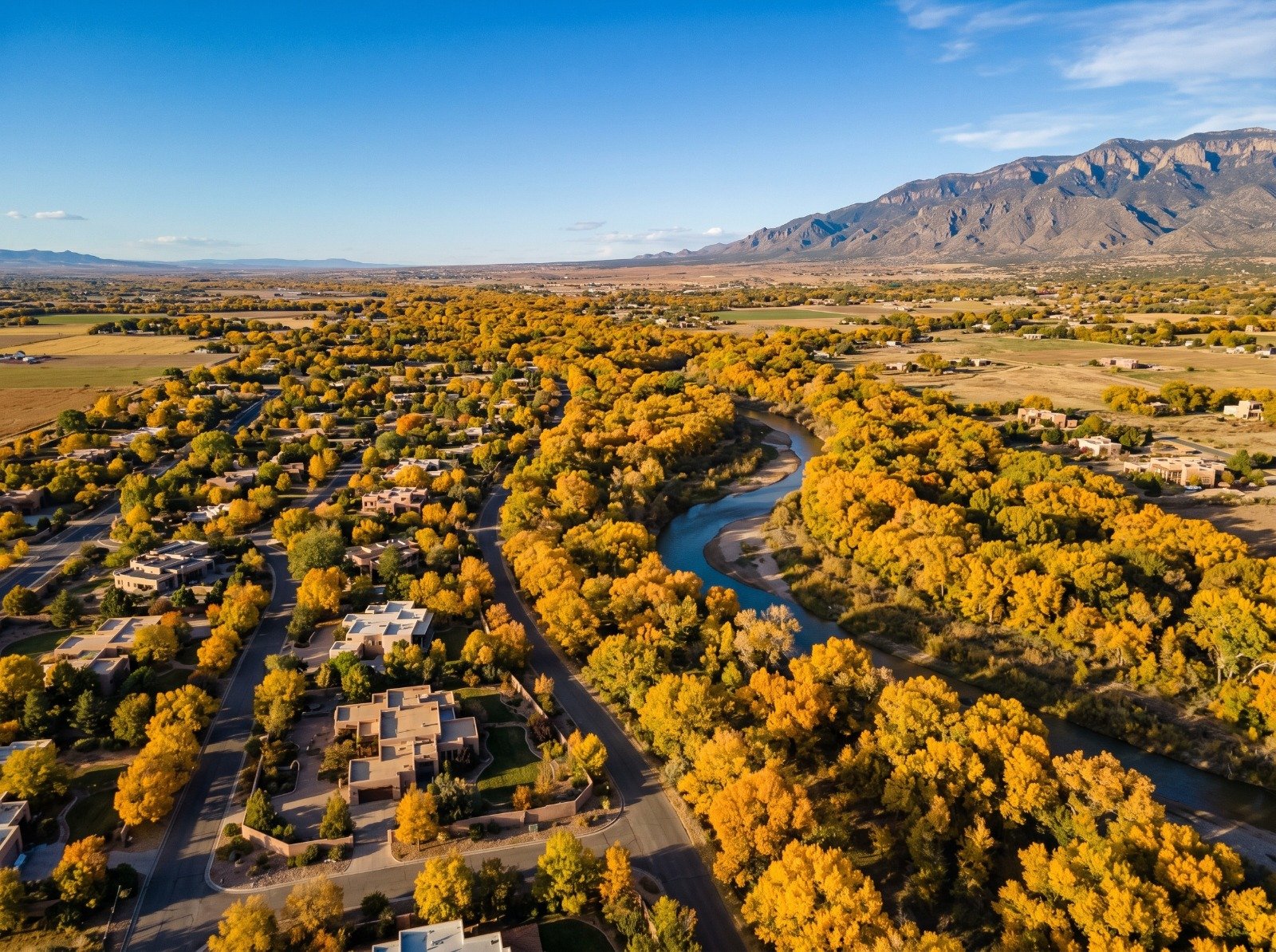
The North Valley runs along the Rio Grande, stretching roughly from Alameda Road in the north through Griegos, Duranes, and the Lower North Valley neighborhoods toward the city center.
The Rio Grande corridor, known as the bosque, runs parallel to the valley floor. Its cottonwood forest and riparian landscape create a visual and acoustic buffer from the surrounding city that planned developments cannot easily reproduce.
The character of North Valley Albuquerque comes largely from its agricultural history. This was farming land for centuries before Albuquerque grew around it.
The acequia systems that historically irrigated the valley are still present on many North Valley properties today. These earthen irrigation channels are maintained through community water associations. Some remain functional, while others are still physically present and may affect property boundaries, landscaping, fencing, and water rights.
That agricultural legacy also helped produce the lot sizes that define much of North Valley Albuquerque real estate.
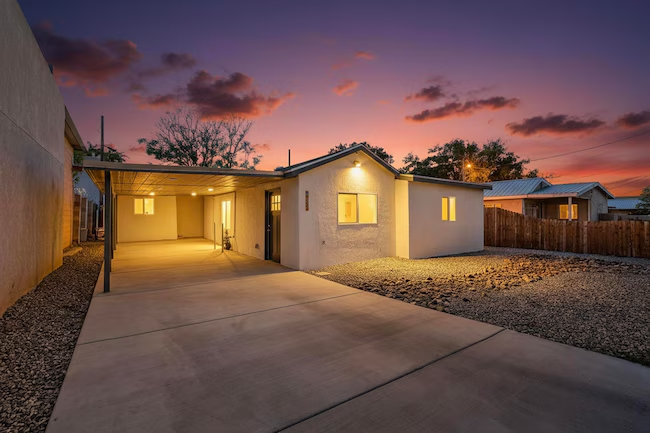
Properties can include half an acre, an acre, two acres, or more, often with mature trees that have been growing for decades. Cottonwoods that would take a generation to establish in a newer subdivision are simply part of the landscape here.
source:images.homes.com
Who Typically Buys in the North Valley?
The North Valley attracts buyers with specific priorities, and understanding those priorities can help determine whether this part of Albuquerque is the right fit.
Buyers Looking for More Space
Buyers who have spent years on standard city lots sometimes move toward the North Valley because they want more outdoor space, more separation from neighbors, and larger properties.
Moving from a quarter-acre lot in another Albuquerque neighborhood to a full acre in the North Valley is not simply a change in square footage. It can change how the property functions and how daily life at home feels.
Horse Owners and Equestrian Buyers
Horse owners are also well represented among North Valley buyers.
Larger lots can provide room for paddocks, small barns, turnout areas, and other equestrian uses that are difficult to accommodate in standard suburban developments.
For buyers specifically searching for Albuquerque homes with acreage or horse-friendly properties, the North Valley is often an area worth exploring carefully.
Buyers With Rural or Agricultural Backgrounds
Buyers relocating from rural or agricultural areas may also feel familiar with the North Valley’s character.
Irrigation ditches, mature cottonwoods, larger parcels, and the agricultural history of the area create an environment that feels distinctly different from newer Albuquerque communities.
source:images1.apartments.com
What Types of Homes Are Available in North Valley Albuquerque?
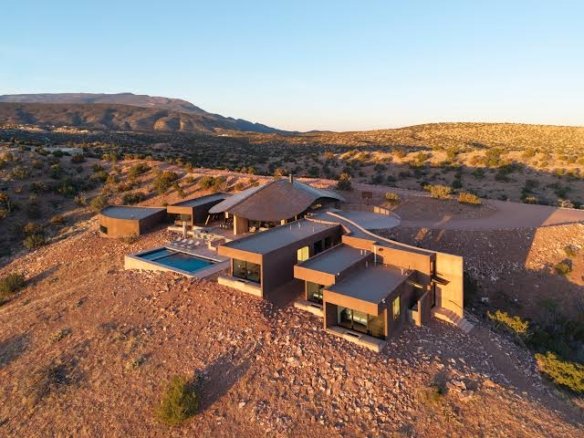
One of the defining features of North Valley Albuquerque real estate is that the housing stock does not follow one architectural template.
Properties vary significantly in age, construction, condition, lot size, and design.
Historic and Traditional Adobe Homes
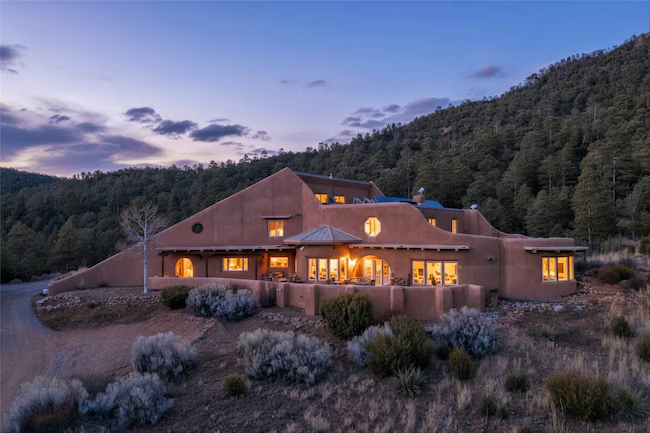
Genuine adobe construction is more common in the North Valley than in many other parts of Albuquerque.
Some homes include thick adobe walls that have stood for generations, with additions and renovations completed over time.
Adobe construction has unique thermal characteristics, but it also comes with specific maintenance considerations. Walls may require periodic maintenance and sealing, while drainage around the structure deserves particular attention.
Buyers considering an older adobe property should understand the construction before purchasing and should use inspectors or specialists familiar with the material.
source:images.home.com
Mid-Century Ranch Homes
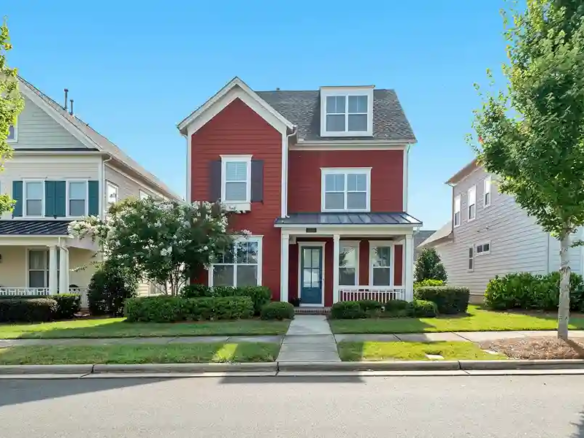
Many North Valley lots include ranch-style homes built between the 1950s and 1970s.
These homes are often single-story and may provide generous square footage relative to their age. Some have been extensively updated, while others retain much of their original character.
Buyers considering these properties should pay close attention to mechanical systems, electrical components, roof condition, and the scope of any needed renovation.
Custom-Built North Valley Homes
Custom homes built from the 1980s forward can also be found throughout the area, often on land that was subdivided from larger agricultural parcels.
These properties may appeal to buyers who want the North Valley setting, lot size, and mature landscape without taking on an extensive renovation project.
Estate Properties
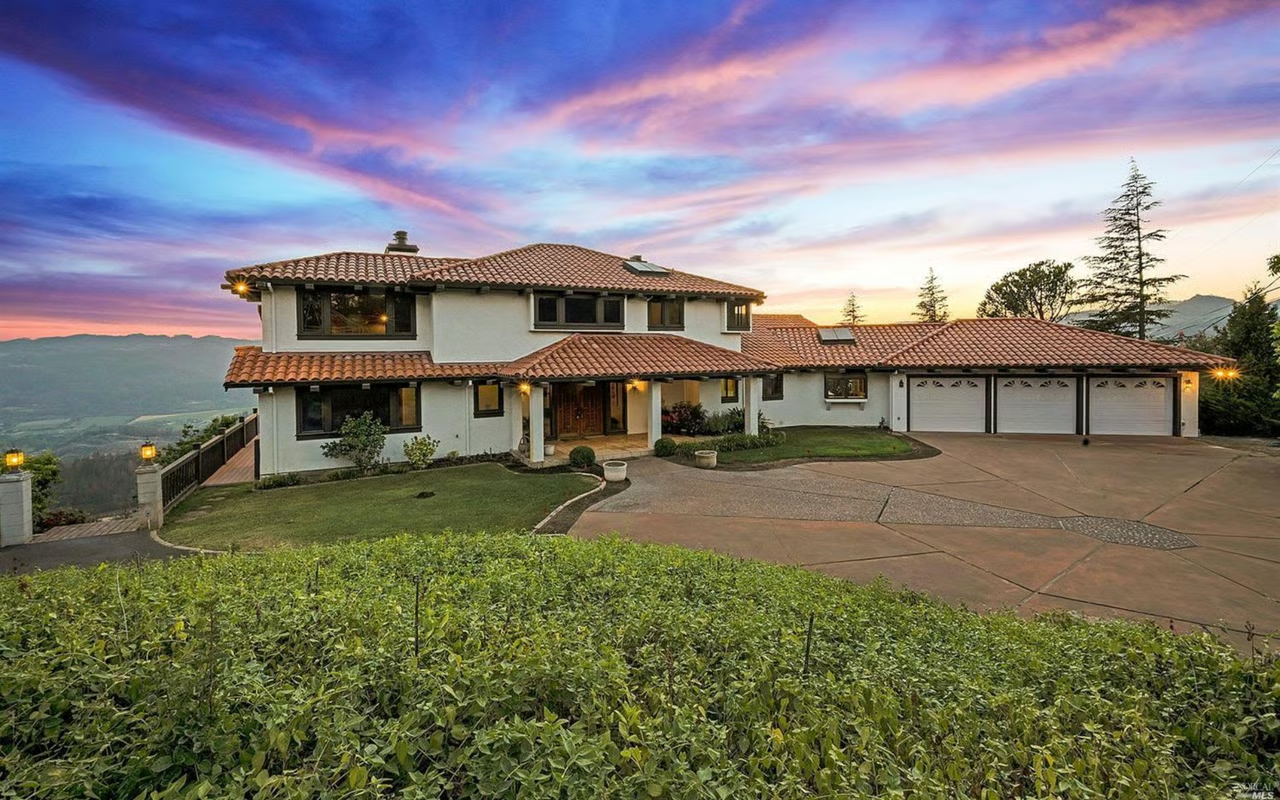
A smaller number of North Valley properties include several acres, multiple structures, guesthouses, workshops, or other outbuildings.
These properties rarely come to market and can behave differently from more conventional Albuquerque homes for sale.
source:media-production.lp-cdn.com
Acequia Water Rights: What North Valley Buyers Should Understand
The acequia systems are one of the features that make North Valley Albuquerque genuinely unusual, and they are also one of the aspects buyers need to understand before purchasing.
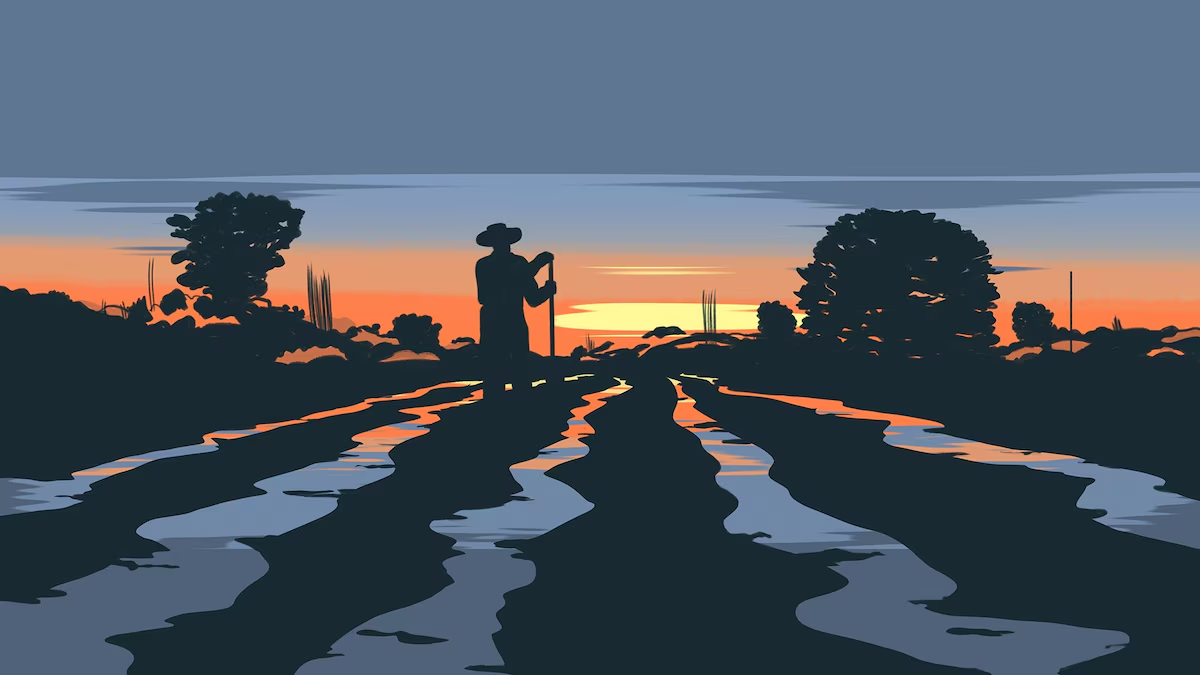
An acequia is a community-maintained irrigation channel historically used to deliver water from the Rio Grande to agricultural land throughout the valley.
Many North Valley properties have an acequia running along or across the parcel. Some properties may also carry water rights that allow the owner to use irrigation water according to the association’s distribution schedule.
Water rights can be an important part of the property and should not be treated like an ordinary utility service.
A buyer considering a property with acequia involvement should understand:
- What water rights convey with the property
- Whether the property belongs to an acequia association
- What maintenance responsibilities the owner may have
- Where the physical irrigation infrastructure runs
- How it may affect landscaping, fencing, access, or future improvements
These questions can be very specific to the property, so buyers should make sure they receive appropriate information before closing.
source:imagescdn.homes.com
Getting From North Valley to the Rest of Albuquerque
One of the practical advantages of the North Valley is that it can feel removed from the city without actually being far from major Albuquerque destinations.
Depending on the specific address and traffic conditions, residents can generally reach central Albuquerque, Old Town, the University of New Mexico, employment areas, the Albuquerque International Sunport, Rio Rancho, and the Paseo del Norte corridor without living next to a freeway.
Surface roads including Coors Boulevard, Rio Grande Boulevard, and 4th Street connect the North Valley with the rest of the Albuquerque metro area.
The lack of direct freeway adjacency is also part of the area’s appeal. It helps preserve the quieter residential atmosphere many buyers are looking for.
source:https://www.homes.com/local-guide/albuquerque-nm/near-north-valley-neighborhood/
Why North Valley Albuquerque Inventory Is Different
North Valley Albuquerque does not have deep housing inventory.
That is not simply a short-term market condition. There are a finite number of properties in the area, turnover can be lower than in neighborhoods where residents move more frequently, and unique properties do not always reach the market in the same way as conventional suburban listings.
Buyers who rely only on automated listing alerts may find that the best-fitting properties appear infrequently.
For buyers whose primary goal is finding a specific combination of acreage, location, architecture, water rights, or property features, local market knowledge becomes especially valuable.
Tori Domaille and the team at Elite Homes Realty have worked in the Albuquerque real estate market for decades and understand the history and characteristics of properties throughout the North Valley.
Is North Valley Albuquerque Right for You?
North Valley Albuquerque real estate is not simply another collection of homes within the metro area.
Its combination of mature landscape, agricultural history, larger parcels, acequia systems, historic architecture, and convenient access to Albuquerque gives the area a character that cannot easily be recreated elsewhere.
For buyers specifically looking for space, established trees, unique properties, or a more rural feeling without leaving Albuquerque, the North Valley deserves serious consideration.
The key is understanding the property as well as the neighborhood.
If North Valley Albuquerque is where you want to focus your search, Elite Homes Realty can help you identify the type of property that fits your goals and navigate the details that make buying in this area different from purchasing elsewhere in Albuquerque.
📍 8812 Natalie Ave NE, Albuquerque, NM 87111
📞 +1 (505) 639-0067
Tori Domaille is the Broker and Owner of Elite Homes Realty and has worked Albuquerque real estate since 1996, including the North Valley and surrounding neighborhoods. The team serves buyers, sellers, and investors across Albuquerque and the greater metro area.